

Contact us
C.difficile testing – a path for better care
C. difficile, the leading cause of nosocomial diarrhea and pseudomembranous colitis, represents a critical challenge in modern healthcare. C. difficile diagnosis is complex, as individuals can carry the bacteria without developing symptoms. Carriers harbor the bacteria without the production of the disease-causing toxins that lead to illness. Unnecessarily treating carriers not only disrupts the body’s natural balance, but can also increase vulnerability to genuine C. difficile infections.
Properly distinguishing between true infections and carriers is crucial to protecting patients from unnecessary treatments and supports antimicrobial stewardship efforts. Rapid and accurate identification of toxigenic C. difficile allows for appropriate treatment when needed, supporting patients as they recover their health, reconnect with loved ones, and reclaim their quality of life.
C. difficile testing options
A nuanced understanding of the available tests can help healthcare providers deliver accurate diagnoses, protect patients, and provide the best possible care.
By leveraging these diagnostic tools thoughtfully using a multi-step algorithmic approach, healthcare providers can ensure accurate and timely diagnosis for better patient outcomes. This approach not only addresses the immediate medical needs of patients but also allows for a healthcare experience that prioritizes appropriate treatment, recovery, and well-being.
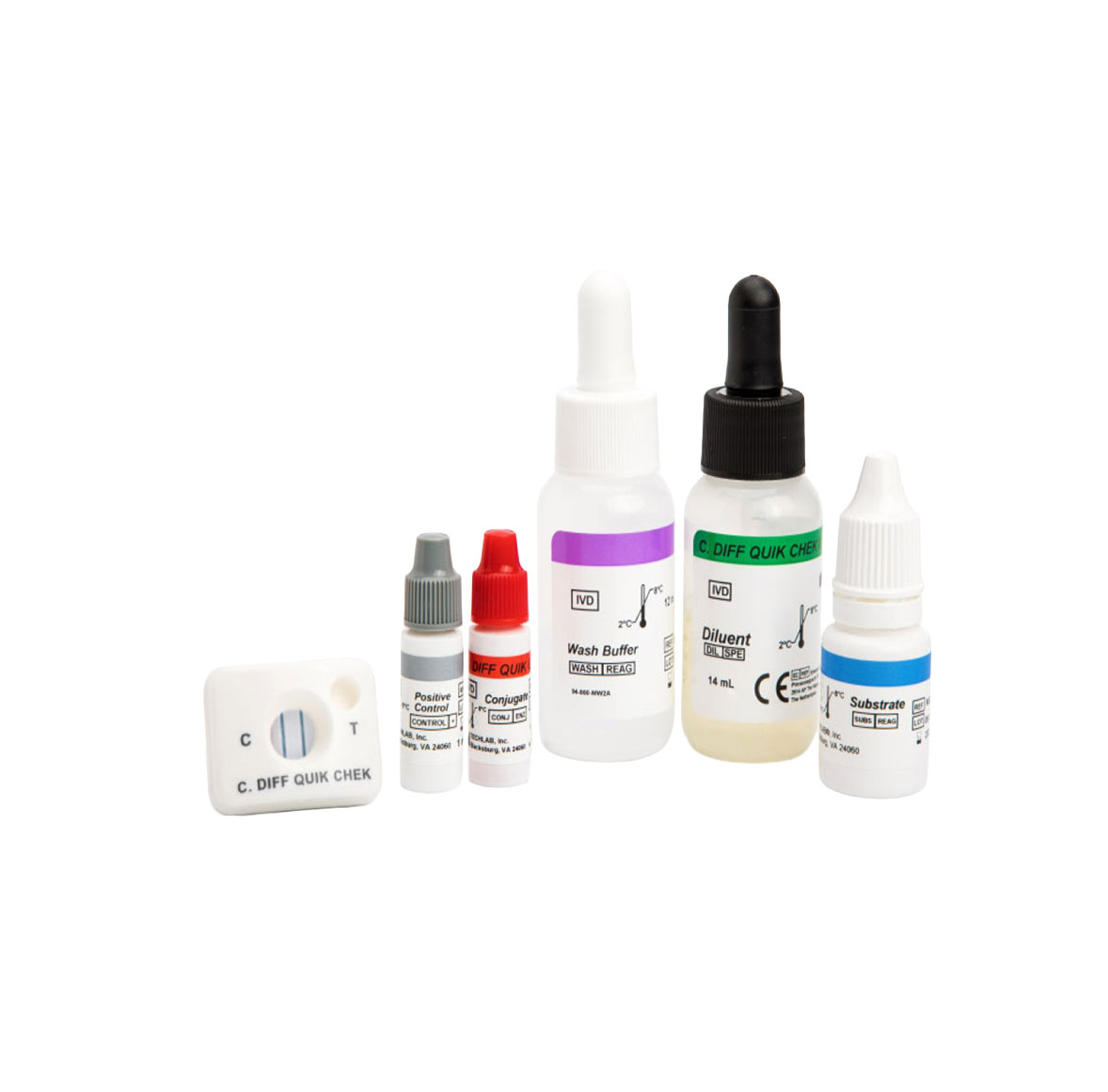
C. DIFF QUIK CHEK COMPLETE
The C. DIFF QUIK CHEK COMPLETE ® test is a rapid membrane enzyme immunoassay for the simultaneous detection of Clostridium difficile glutamate dehydrogenase antigen and toxins A and B in a single reaction well.
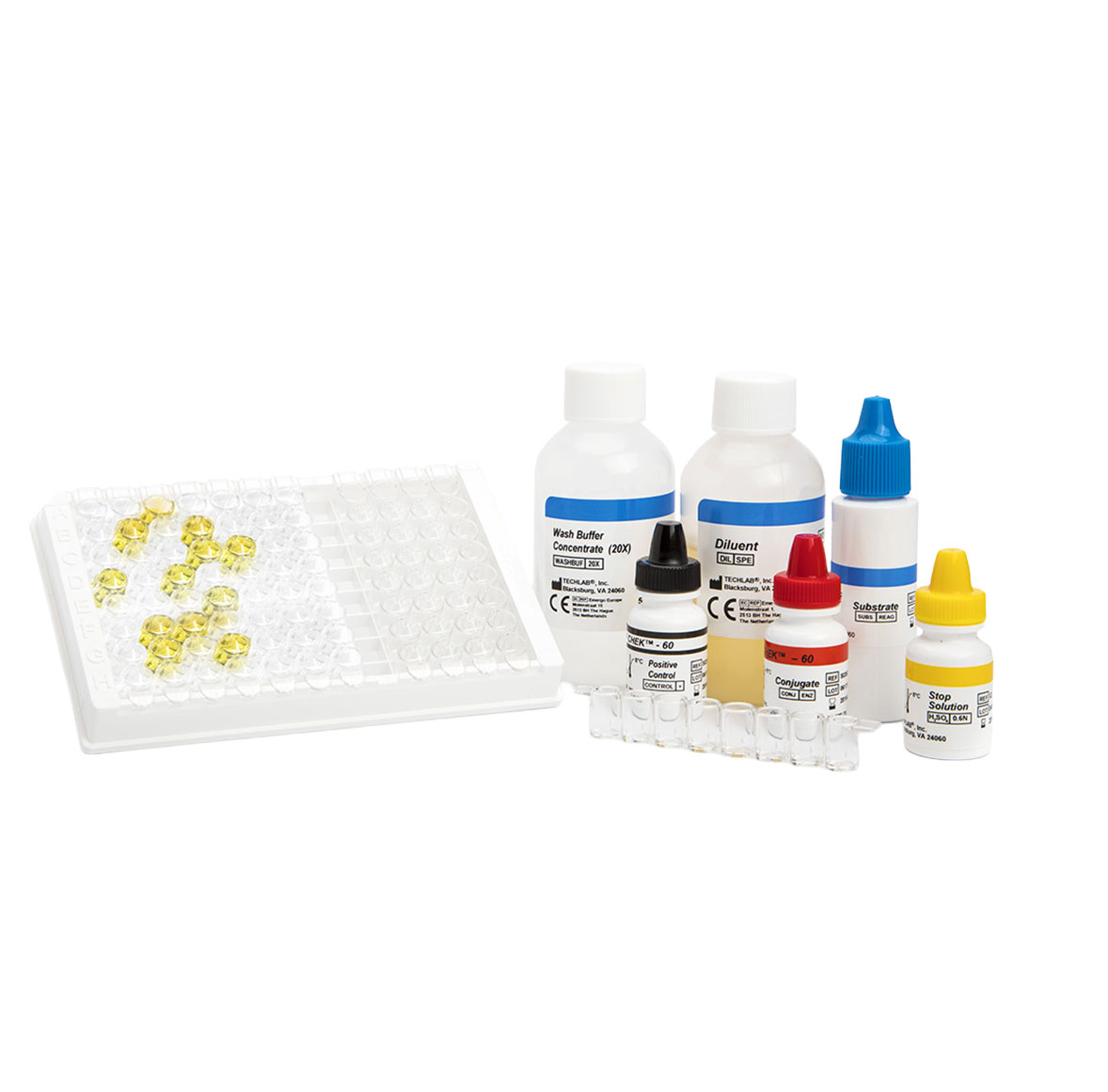
C. DIFF CHEK – 60
An enzyme immunoassay for the detection of glutamate dehydrogenase (GDH) produced by both toxigenic and non-toxigenic strains of Clostrioides difficile (formerly Clostridium).
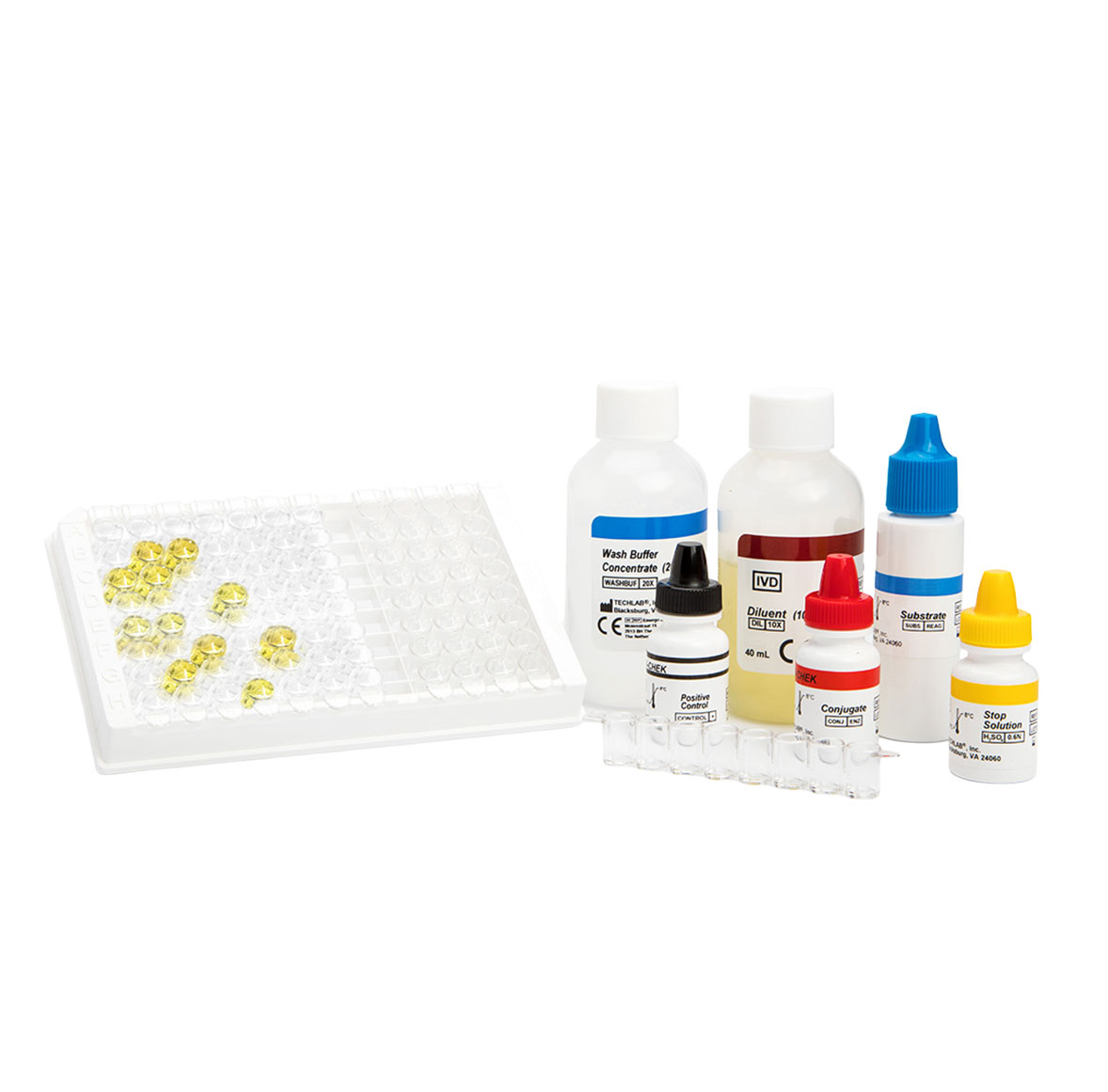
C. DIFFICILE TOX A/B II
A second generation rapid ELISA for the detection of Clostridioides difficile (formerly Clostridium) toxins A and B in fecal specimens.
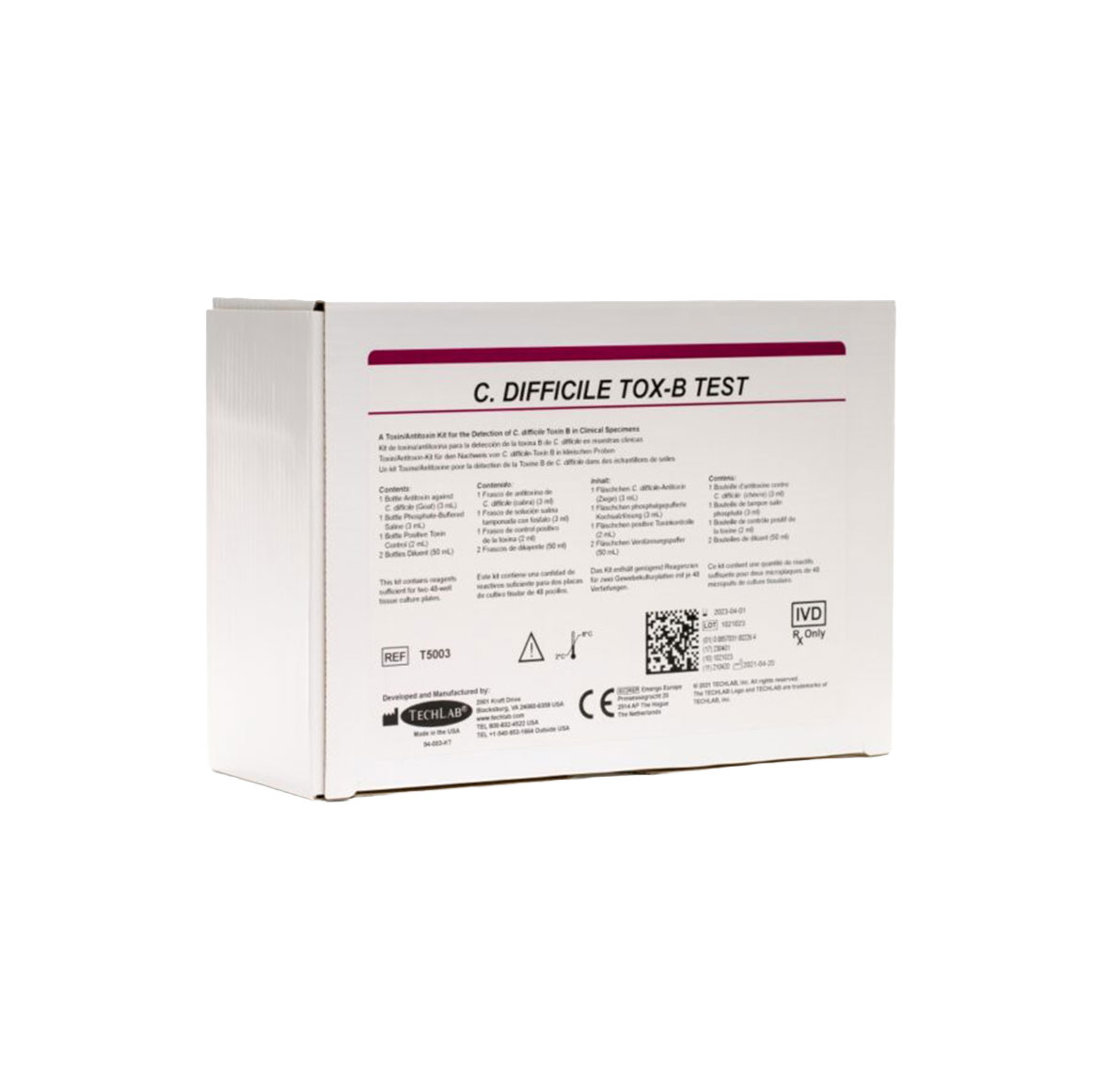
C. DIFFICILE TOX -B TEST
A tissue culture assay for the detection of Clostridium difficile toxin B in fecal specimens.
Glutamate Dehydrogenase (GDH): A sensitive screening test
GDH is a protein which all C. difficile bacteria produce, regardless of their toxin-producing ability. Testing for GDH serves as an excellent initial screening marker, providing a starting point for identifying potential infections. However, GDH alone cannot differentiate between harmless carriers and those with toxin-producing strains that cause illness. A follow-up test is essential to ensure patients receive the right treatment and avoid unnecessary interventions.
Toxin test: Distinguishing carrier vs. disease
Toxigenic strains of C. difficile produce toxins A & B proteins, which are directly responsible for the symptoms of the infection. Testing for these toxins offers a closer correlation to the patient’s disease state and clinical outcomes, guiding treatment decisions with greater accuracy. When combined with a sensitive screening test, the specificity of EIA toxin testing plays an important role in diagnosis.
Nucleic Acid Amplification Test (NAAT): Very sensitive toxin gene detection
Molecular testing (NAAT) provides a highly sensitive method to identify whether C. difficile bacteria possess the genes necessary for toxin production. While powerful, NAAT does not indicate whether the toxins are actively present in the patient sample, making it optional part of a multi-step diagnostic algorithm rather than a standalone solution.
C. difficile resources
The importance of C. difficile Diagnostics
Understanding C. difficile Infection: Accurate Diagnosis for Better Health and Care
Importance of Stool Toxin Testing by J.H. Boone, TECHLAB
Evaluation of Diagnostic Tests for Clostridium difficile Infection by Jonathan Swindells, Nigel Brenwald, Nathan Reading, and Beryl Oppenheim, Journal of Clinical Microbiology
C. DIFF QUIK CHECK COMPLETE® Enzyme Immunoassay Provides a Reliable First-Line Method for Detection of Clostridium difficile in Stool Specimens by Criziel D. Quinn, Susan E. Sefers, Wisal Babiker, Ying He, Romina Alcabasa, Charles W. Stratton, Karen C. Carroll, and Yi-Wei Tang, Journal of Clinical Microbiology.
Get in touch
If you have questions, need support, or would like more information about our products and services, please fill out the contact form and we will get back to you as soon as possible.
FAQ:
Accurate diagnosis helps distinguish between active C. difficile infection and asymptomatic colonization, reducing unnecessary treatment and supporting better patient care.
Many individuals can carry C. difficile without symptoms. Diagnostic testing is therefore essential to identify patients with toxin-producing infections who require treatment.
Current guidelines commonly recommend a multi-step diagnostic algorithm that combines different test methods to improve accuracy and support appropriate clinical decision-making.